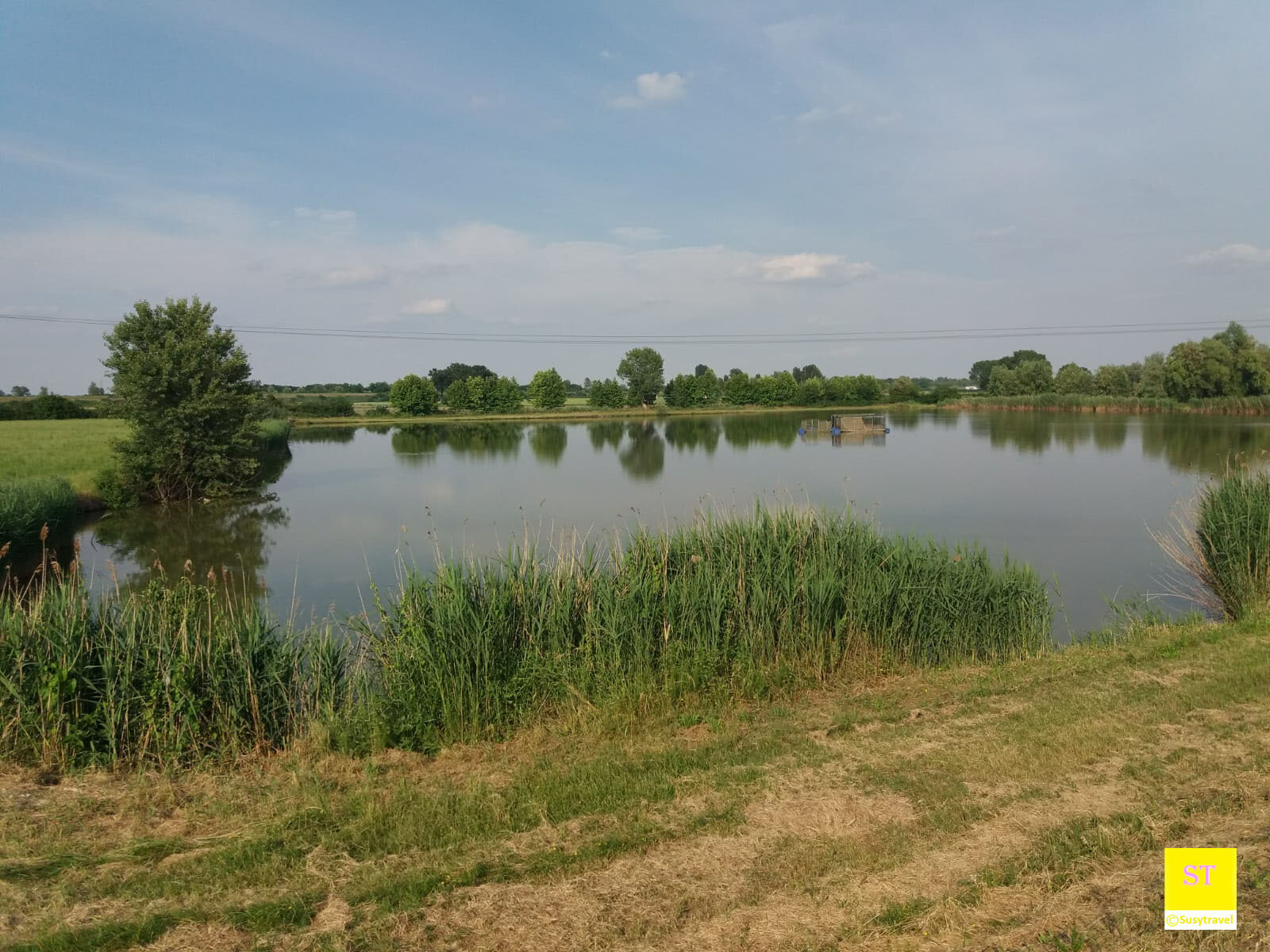
The town of San Benedetto Po, which is part of the circuit of the most beautiful villages in Italy, was one of the most important Cluniac sites among the more than a thousand that arose in medieval Europe. Its ancient name, San Benedetto in Polirone, derives from the Benedictine monastery founded in 1007 by Tedaldo di Canossa on the island that stood between the Po and the Lirone, a branch of the great river, now disappeared. In 1077, Matilde di Canossa donated the abbey to Gregory VII: the pope united it with the monastery of Cluny in Burgundy, giving the latter the power to appoint the abbot of Polirone. The Mantuan monastery increased its activity in illumination, built churches and cloisters, acquired land, becoming a sort of Cluny of northern Italy. Over time, the abbey became an active intellectual center, promoting not only theological studies but also artistic culture: the monks commissioned works from Correggio and Giulio Romano, and hosted illustrious personalities such as Martin Luther, Paul III, Giorgio Vasari, Torquato Tasso, and Palladio. The landscape of San Benedetto Po is one where the sounds of productive life are lost in the silence of the countryside dotted with oratories, abbey villas, Matildic parish churches, dairies, and farmsteads, where the precious reclamation work of the monks is still visible in the monumental and historic pumping stations. You enter San Benedetto from the entrance of the monastery, which preserves the hinges of the ancient portal, and you find yourself in the majestic square, which has remained intact in the dimensions it had in the Middle Ages.
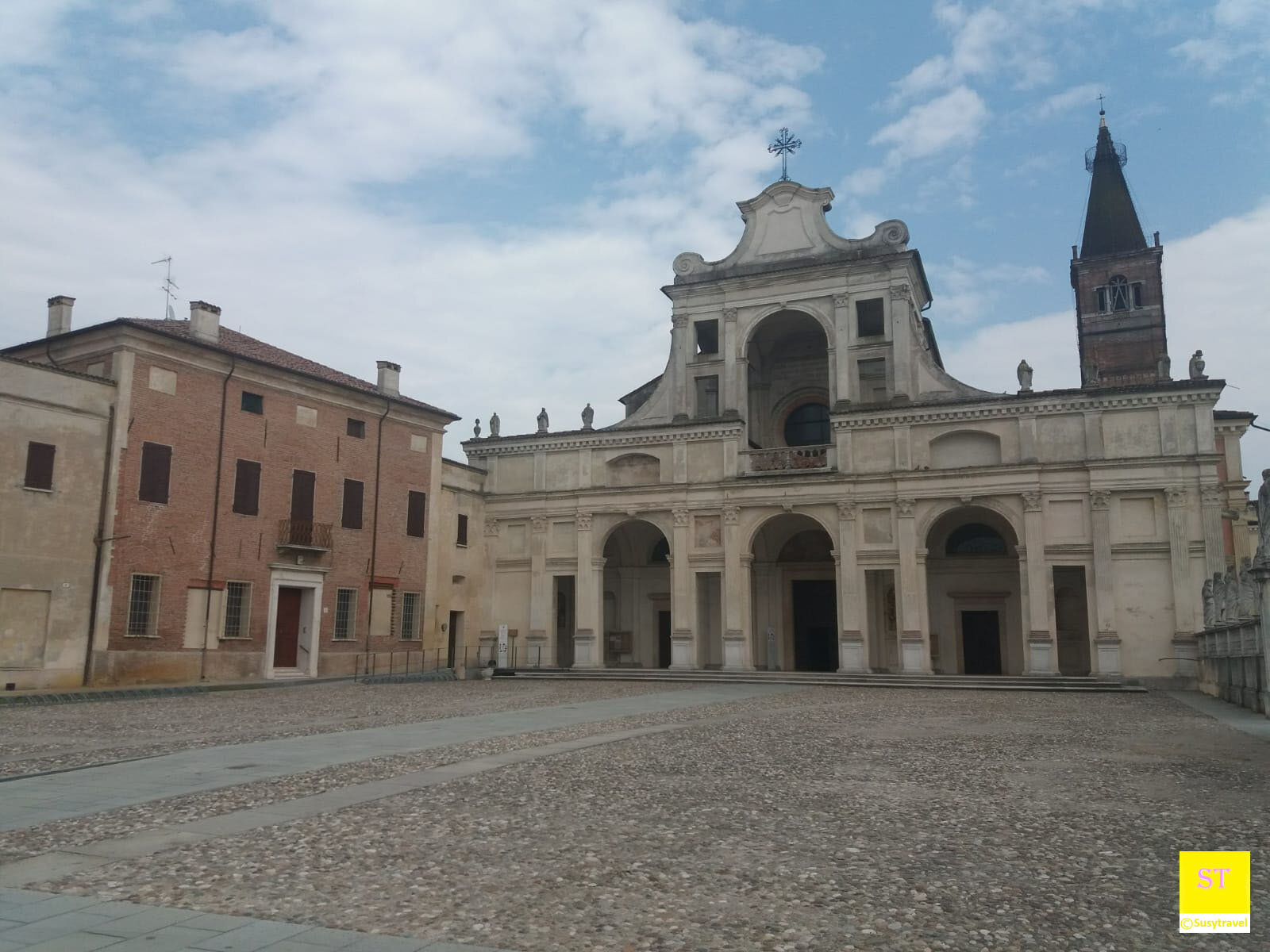
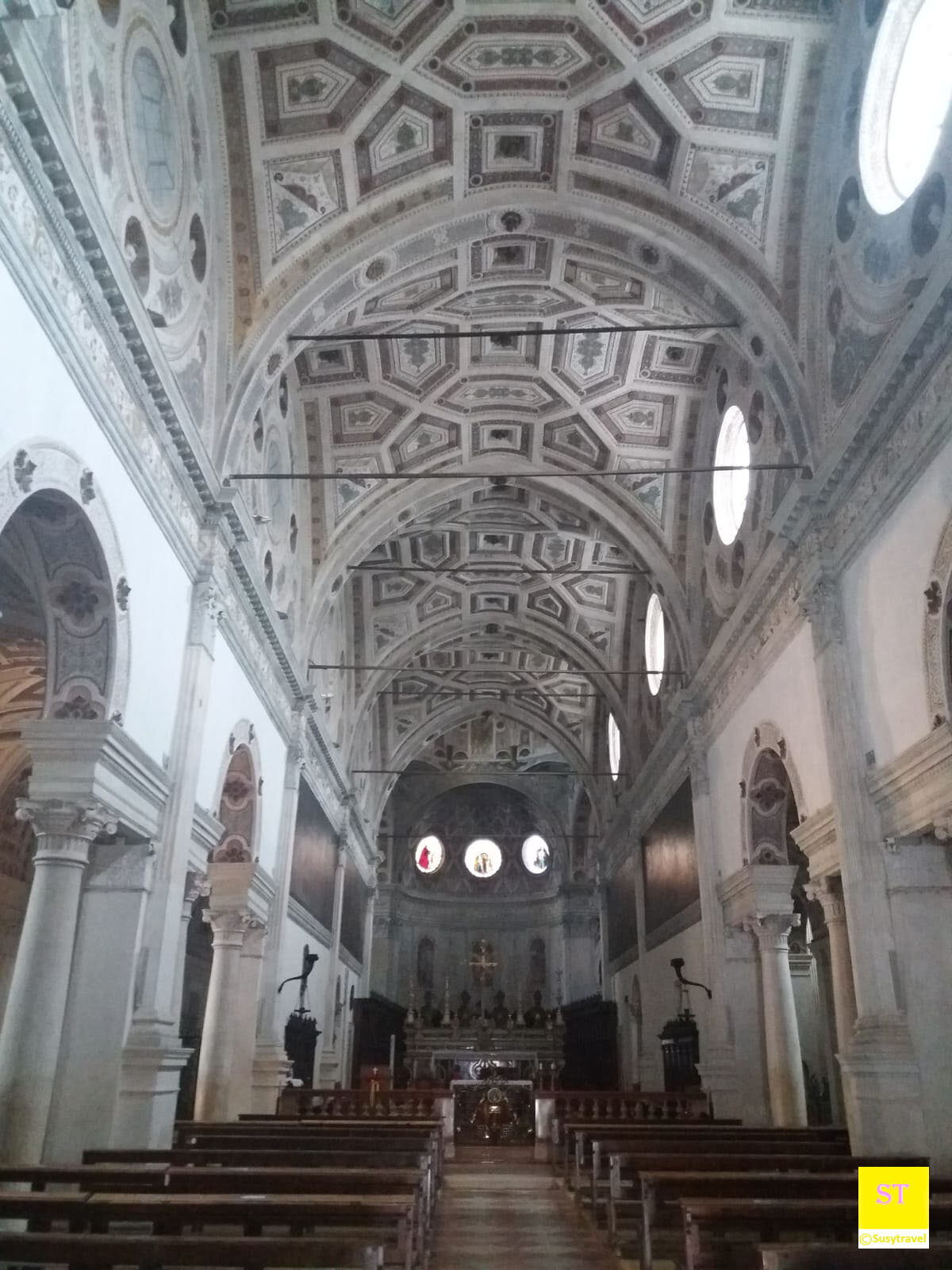
The basilica abbey welcomes us with its grandeur and the wonderful architecture designed by the genius of Giulio Romano, between 1540 and 1545, rebuilding—without demolishing—the old Romanesque and Gothic structures, and adopting original solutions to allow the different architectural styles to coexist in a refined and homogeneous whole. In the area between the transept and the sacristy is the tomb of Matilda of Canossa, an alabaster sarcophagus supported by four little red marble lions. Matilda's body has rested since 1633 in St. Peter's Basilica in Rome.
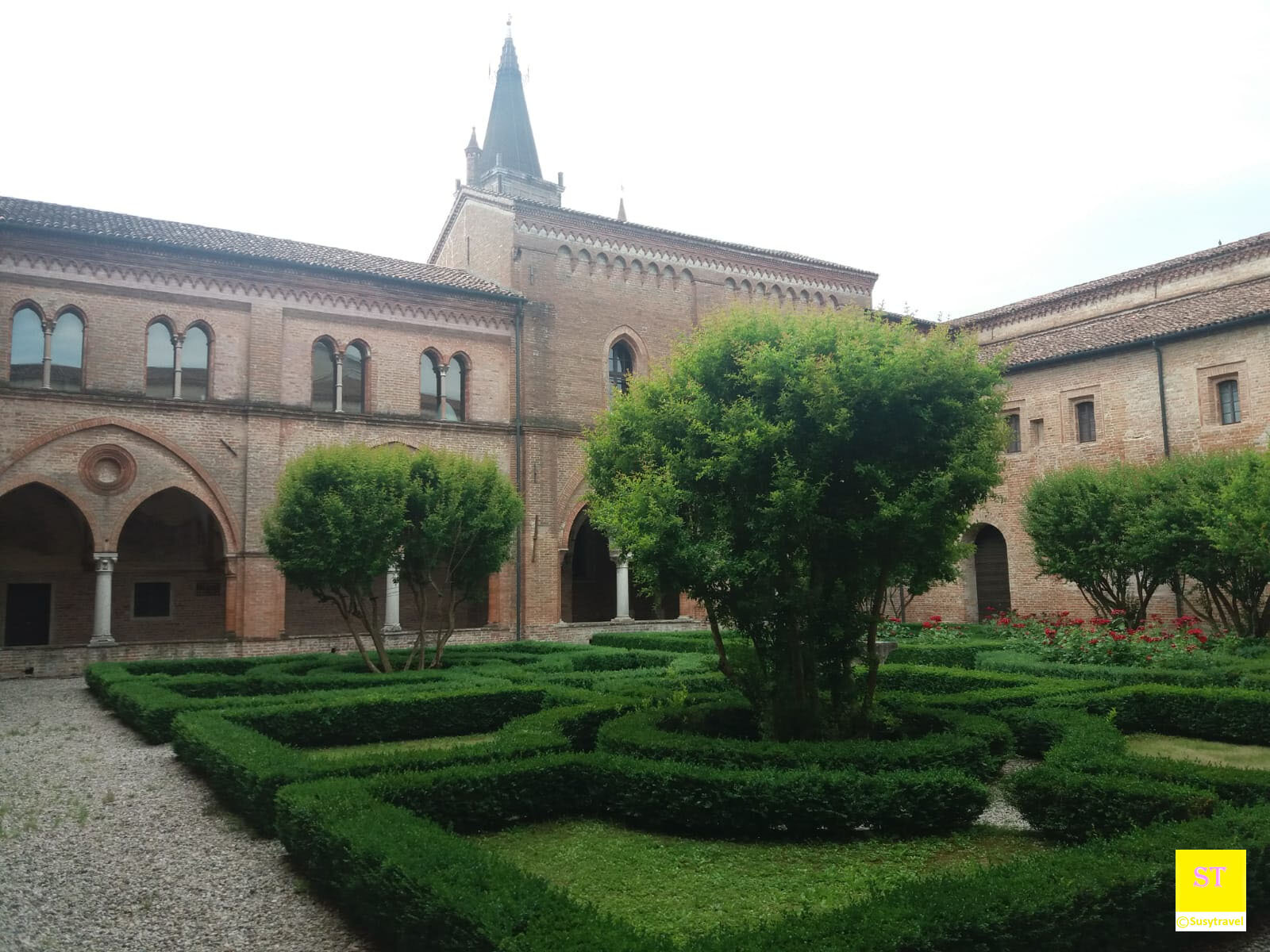
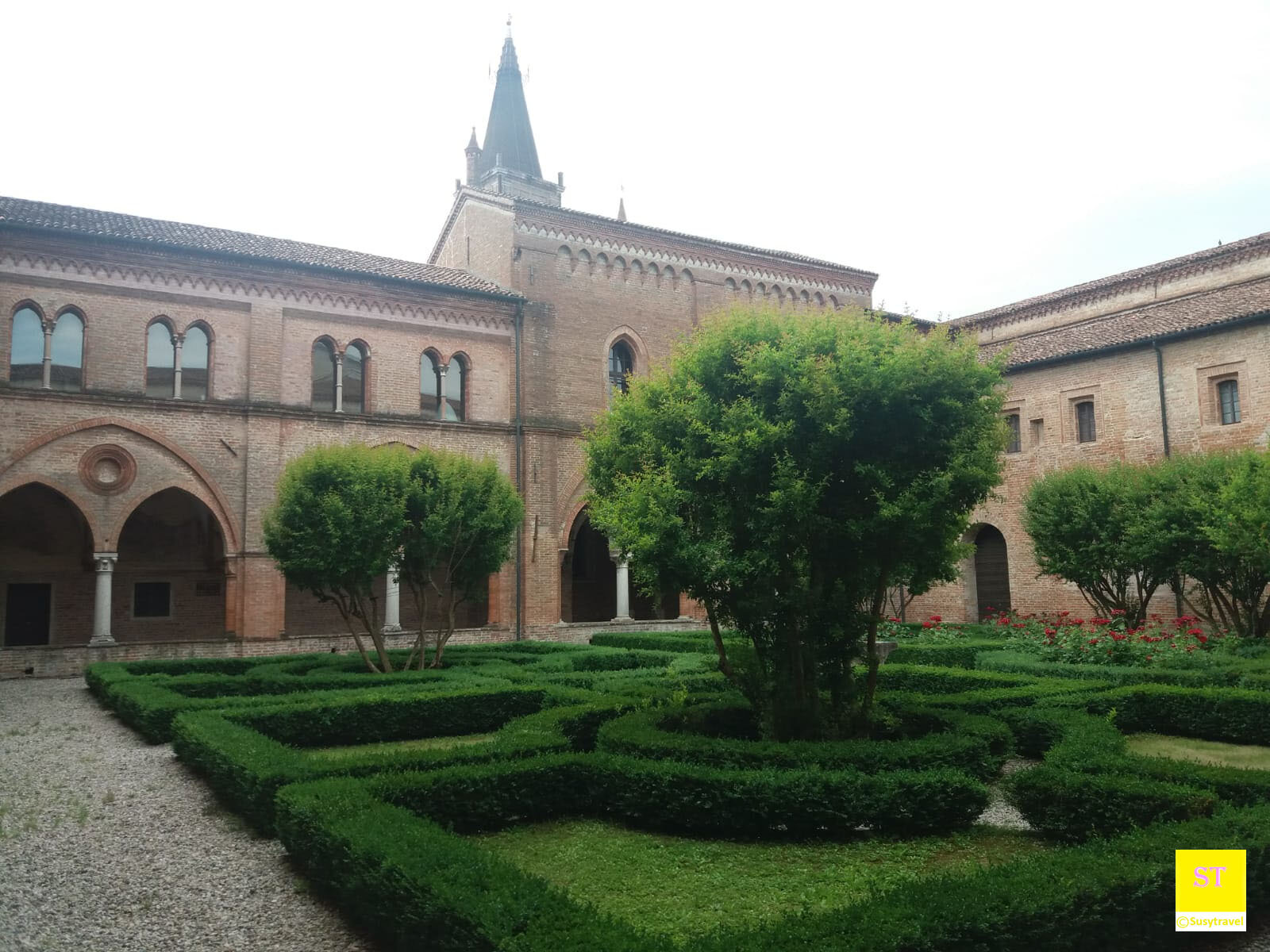
The visit to the monastic complex continues in the Cloister of the Seculars, the place where pilgrims, guests, and strangers were welcomed. A truly evocative site is the Cloister of San Simeone, in late Gothic style, dating between 1458 and 1480, where the garden of simples was located, with medicinal herbs used to treat the sick.
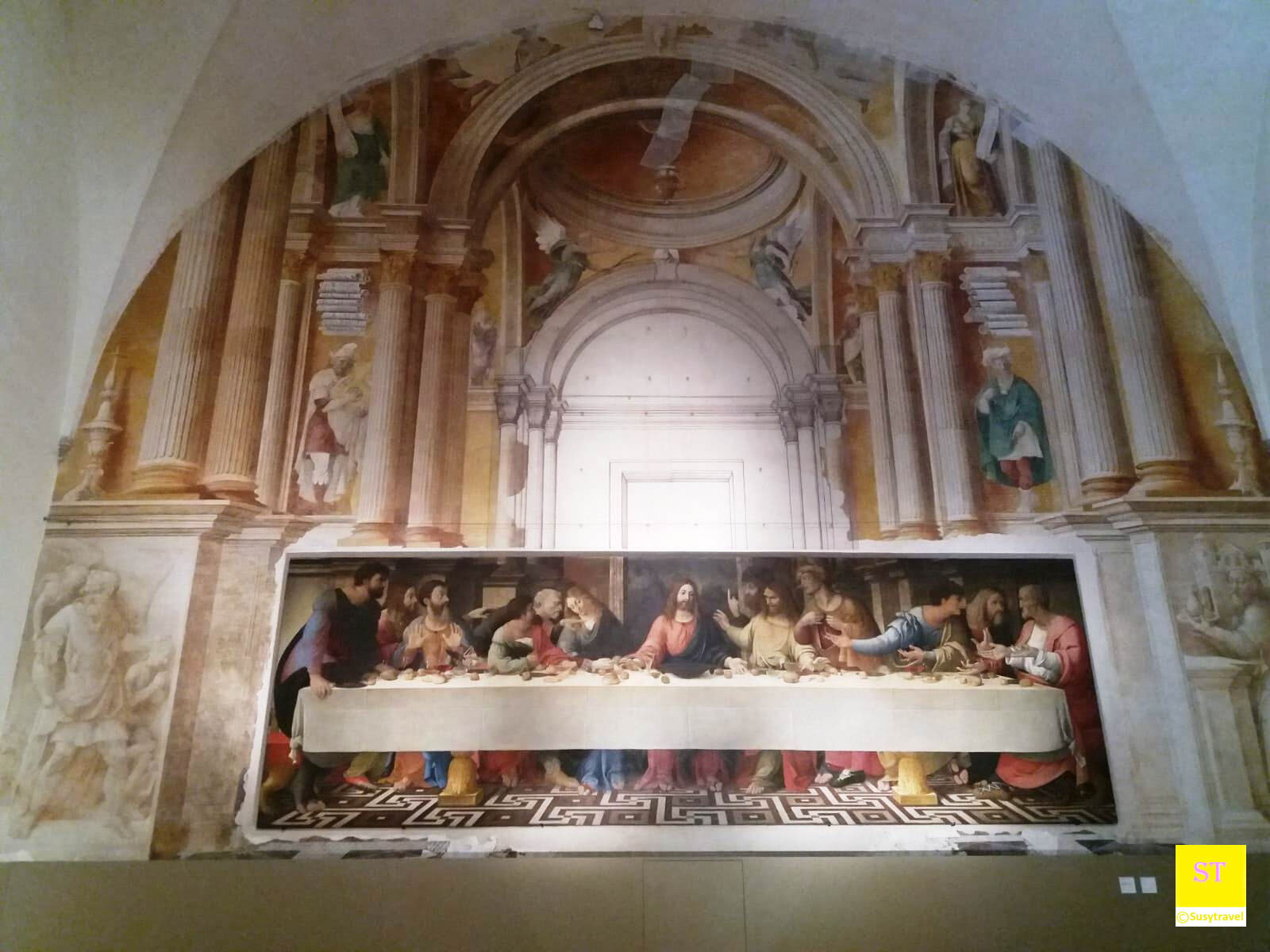
The monastic refectory also overlooks Piazza Matilde di Canossa, built in 1478: a hall divided into four bays, later covered by cross vaults. In 1510, Gregorio Cortese, a humanist and jurist from Modena, called on two artists to decorate the west wall: the Veronese Girolamo Bonsignori, who painted the Last Supper on a canvas set into the wall (exceptionally visible here during this period as it is usually kept in the Civic Museum of Badia Polesine), and the young Correggio, who between 1513 and 1514 frescoed the painted architecture that was to frame the Last Supper.
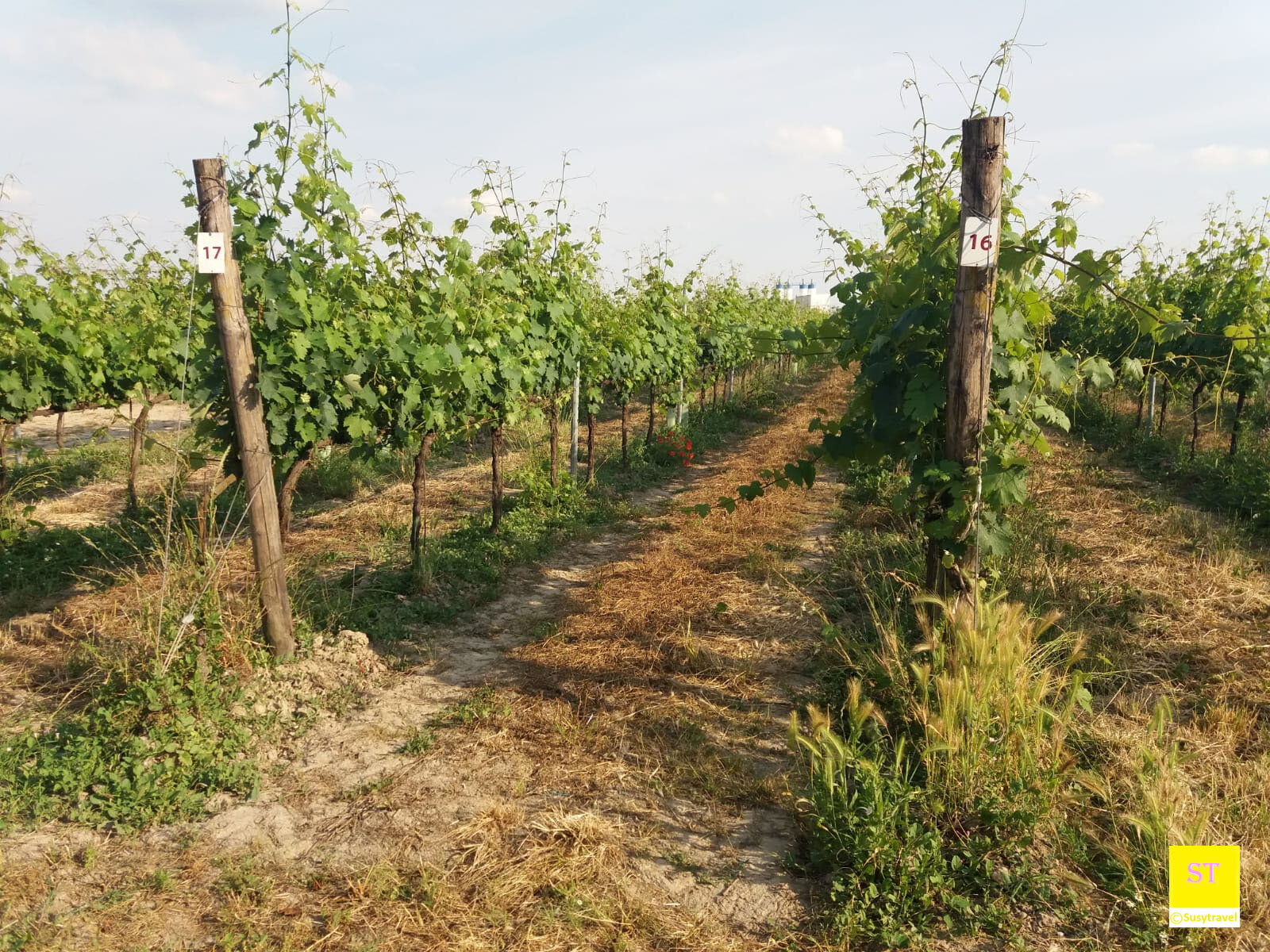
The complex is now open to visitors. Once you arrive at the square, head to the infopoint to purchase your ticket. From the window, the staff will provide you with all the information you need for your visit, which can easily be managed independently thanks to the very useful audio guide available on the municipality’s website. After your visit, it is a must to immerse yourself in the scents and flavors of the Mantuan area, which boasts an impeccable track record when it comes to food and wine specialties. A few kilometers away you’ll find the Bugno Martino farm, where excellent Lambrusco Mantovano is produced. Raffaella and Giuseppe dedicate themselves body and soul to the vineyard, respecting it and paying attention to its balance with a 100% organic cultivation system, banning chemical products and herbicides. From this philosophy comes an excellent wine that you can taste during the guided tour of the winery. After walking through the vineyards, accompanied by friendly hares and some wild pheasants, and listening to Giuseppe’s interesting explanations about grape cultivation and harvesting, Raffaella will let you taste the winery’s wines accompanied by excellent local salami and Parmigiano (yes, Parmigiano, because San Benedetto Po is the first town in the Parmigiano area).
If you are still not satisfied and want to take home some more local delicacies, I recommend going to Coazze di Moglia to the Azzoni dairy to buy the Parmigiano Reggiano that won the bronze medal at the World Cheese Awards and other delicious dairy products, all strictly made with fresh milk. A short distance away, still in Moglia, make a stop at the Tosetti butcher shop. Here, buying Mantuan salamelle is a must. Sweet, yet flavorful and not very fatty, they will be the queens of your home barbecues.