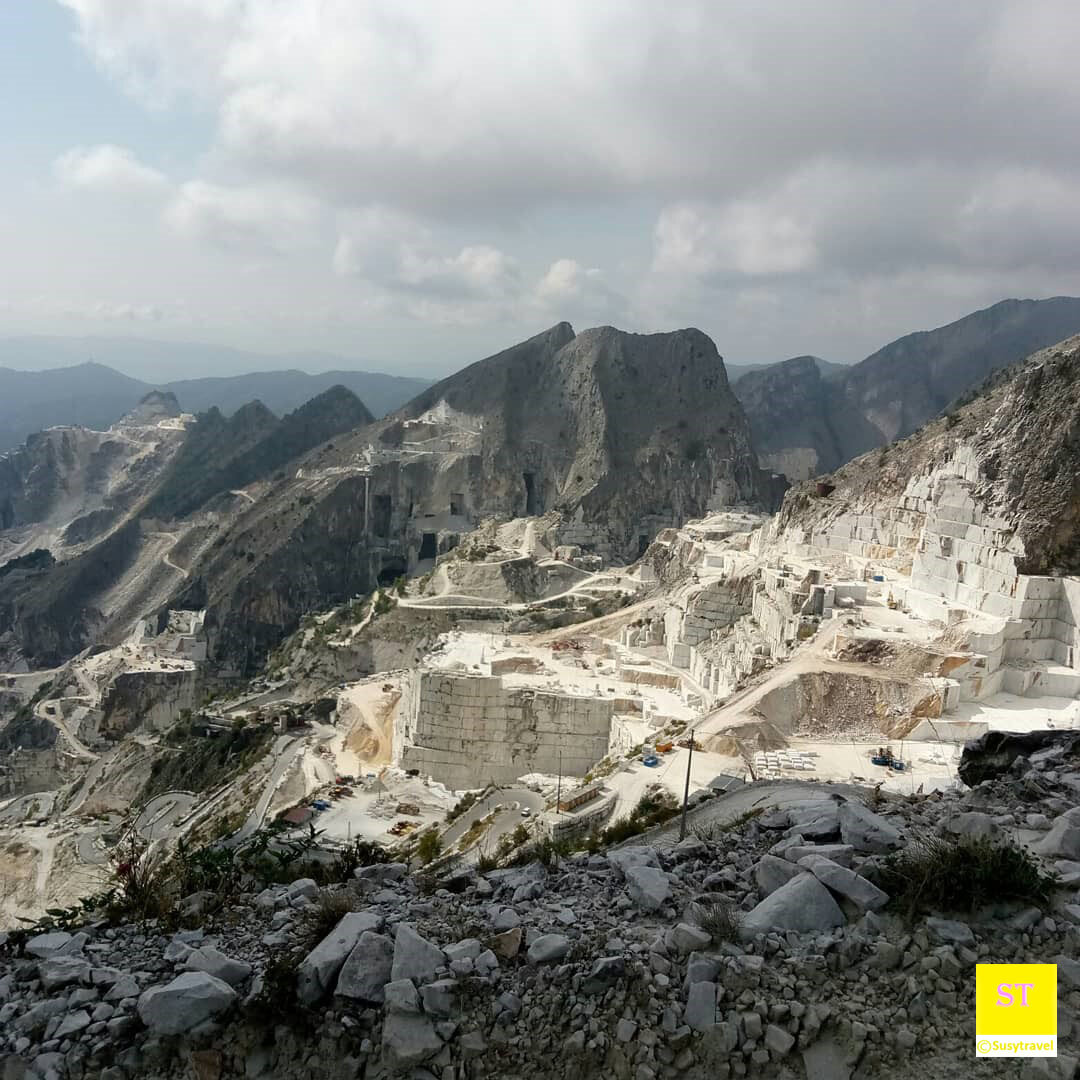
Climbing up the mountains that rise around Carrara, it’s easy to understand why the Greeks called it marble, meaning “shining stone.” The farther you get from sea level, the more breathtaking the spectacle becomes: the light emanating from the “white gold of the Apuan Alps” is incredible. A scenario as surreal as it is seductive: endless white walls shine with their own light, dazzle, create mirages, and amaze along with deep and intricate tunnels that reach pristine temples carved into the mountain. To venture into this magnificent world, you’ll need to rely on the expert hands of cavedimarmotours.com: a professional tour operator specializing in guided tours of the marble quarries. After boarding the off-road vehicle, your expert guide will take you on a magnificent and exciting tour inside some active quarries (both pit and open-air) up to an altitude of 1,000 meters above sea level. If you’re faint of heart... get ready, because the climb with the off-road vehicle on the quarry roads is truly adrenaline-pumping!!
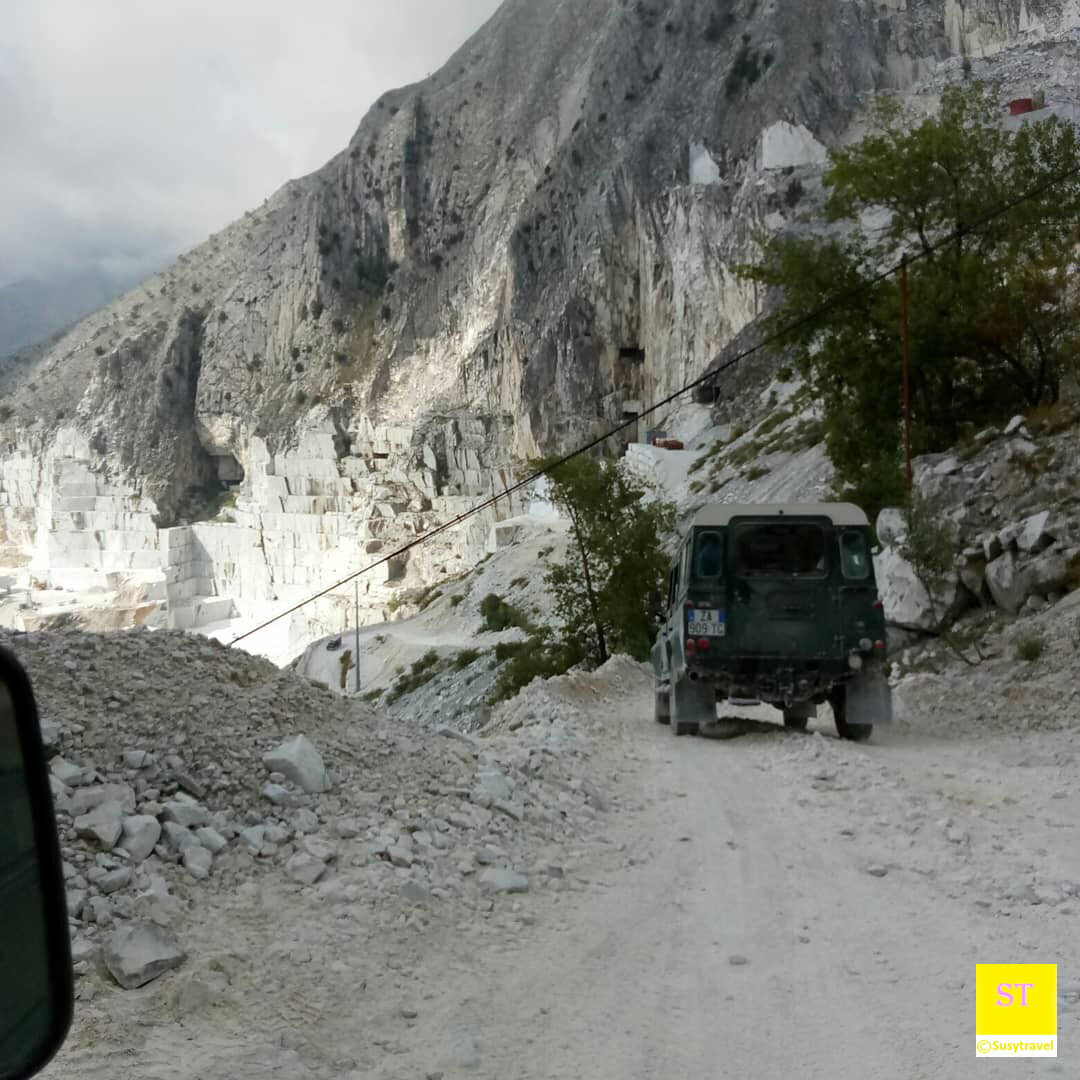
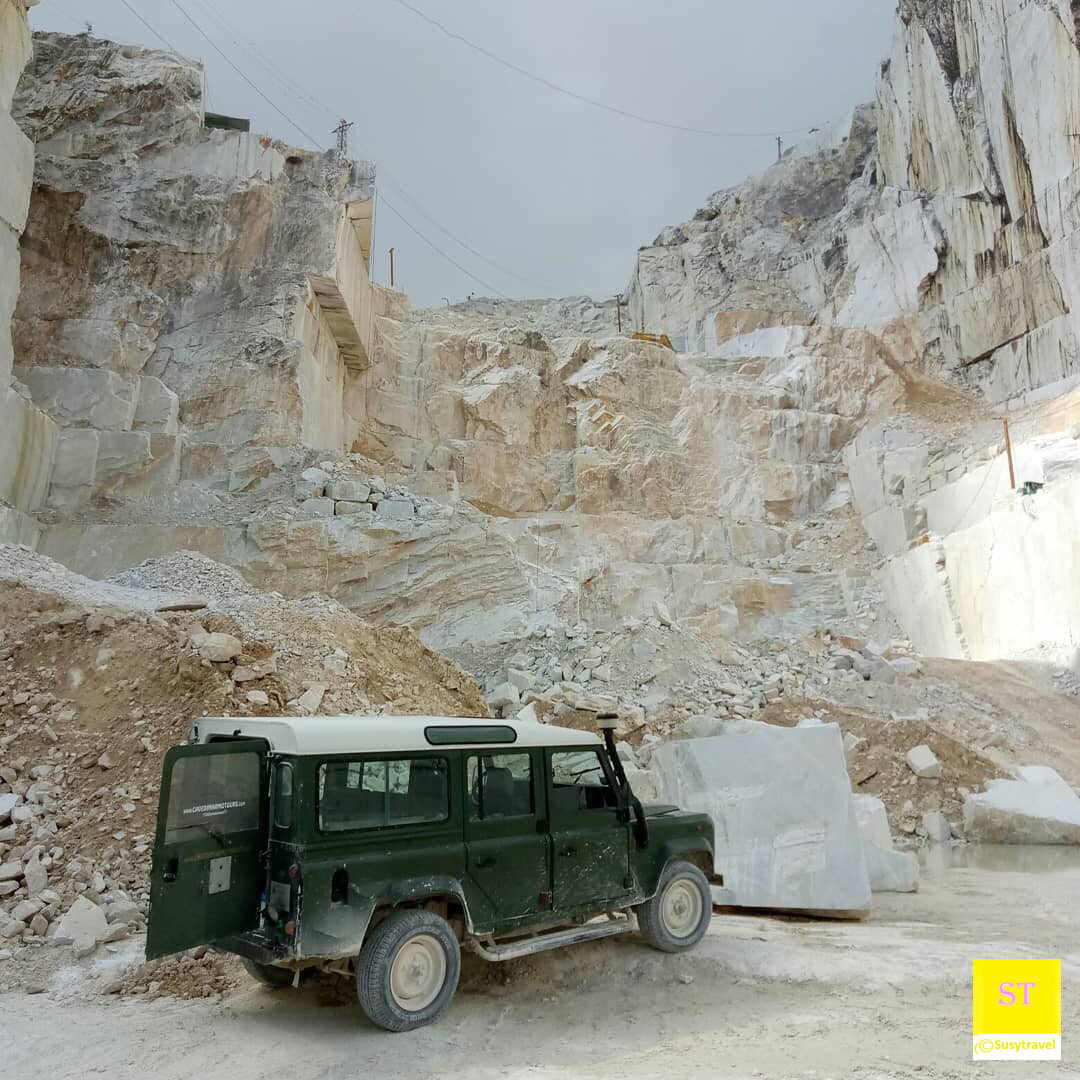
The magic of the quarry reveals itself like a vision. You enter the heart of the mountain to touch the raw material favored by artists such as Michelangelo and Canova. Along the route of the former Marble Railway, venturing into evocative tunnels carved into the rock, you’ll be exclusive spectators of an exciting historical and scenic journey to discover the quarry, from which Carrara’s white marble—one of the most precious, famous, and renowned in the world—has been extracted since pre-Roman times. International artists such as Jan Fabre and Maurizio Cattelan come up here, among the Apuan Alps, attracted by the charm of tradition and above all by the superb quality of the marble, the best in the world for sculpture. It’s interesting to retrace and learn about the history, deeds, strength, and courage of the old quarrymen, the “tecchiaioli” and “lizzatori” who made Carrara great when marble was worked and transported entirely by hand. Before the construction of the access roads, up until the mid-20th century, the blocks were transported down to the port of Luni with the dangerous method of “lizzatura,” traveling the Carraia road on carts pulled by oxen. In addition to these technical and historical details, the guide will tell you countless anecdotes about the use of marble dust, which can be found practically everywhere in our daily lives. Remember to bring your sunglasses, the sunlight reflecting off the marble is truly blinding!
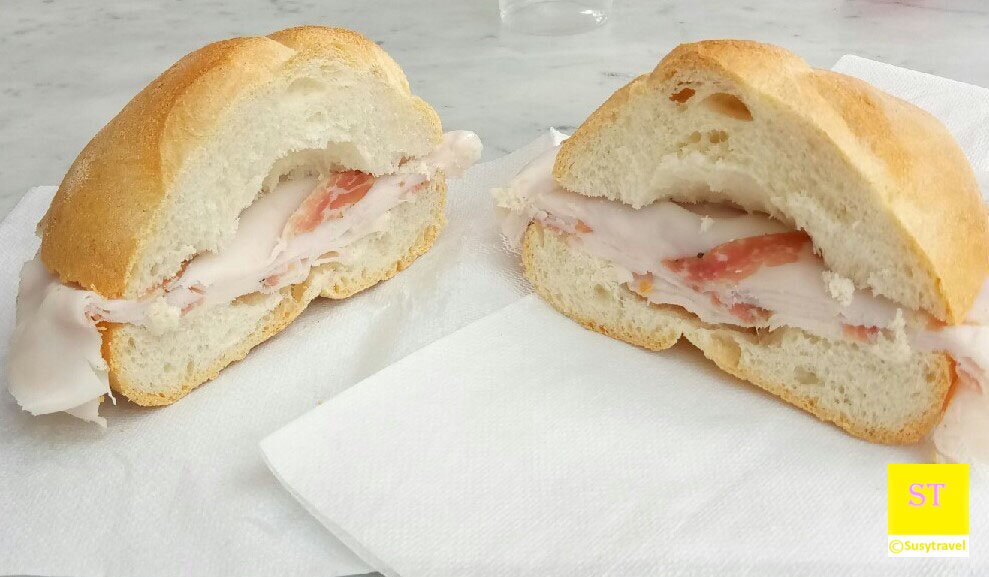
Once the tour is over, you continue to discover the other white gold: Colonnata lard. Known all over the world, it needs no introduction, but perhaps not everyone knows that its particular flavor is due to the aging process that takes place inside basins made of Carrara marble. From this marble, in fact, the basins are made in which alternating layers of pork lard and salt with herbs are placed. The basins, rubbed with garlic, have particular temperatures and humidity, so the finished product has unique characteristics. The filled tub is covered, checked periodically, and then reopened about 6-10 months later when aging is complete. This skilled process gives birth to the white gold that is the symbol of the small and delightful village of Colonnata. Here peace reigns supreme and the narrow streets take us back in time. As we venture in, we find some shops that, like boutiques, display the precious cured meat and invite you to a tasting. Don’t worry, the tasting is “simple”: bread & lard and, if you wish, a glass of good wine. After tasting it, you won’t be able to resist buying some to let your loved ones try it too.